Interior Care
Steam Cleaning Your Car Interior: Why Pros Use It
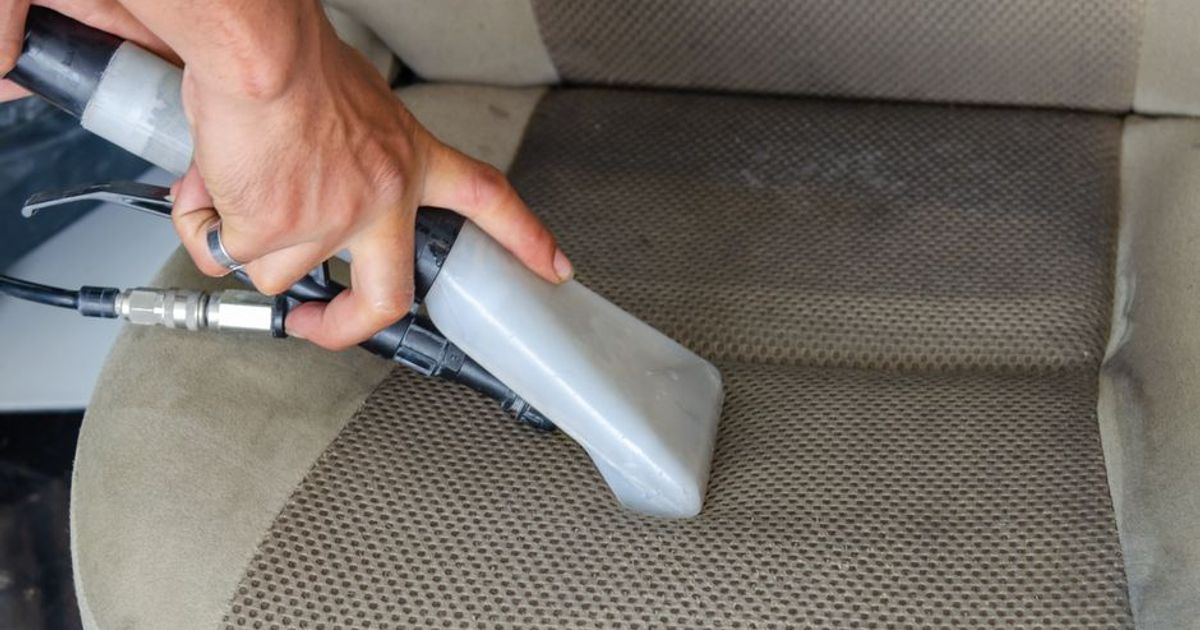
Steam cleaning a car interior uses vapor at around 300 degrees Fahrenheit to loosen grime, dissolve grease, kill bacteria, and lift stains using almost no moisture and few or no chemicals. Professionals use it because it cleans places nothing else reaches (vents, seams, stitching, cupholder hinges), sanitizes as it cleans, and leaves surfaces nearly dry, which prevents the musty-interior problem that soaked carpets cause. It is the single most versatile tool in interior detailing.
Steam is a daily-driver tool at our shop in Wexford, so here is what it genuinely does better, where it is the wrong tool, and what steam-based interior work costs.
What makes steam different from spray-and-wipe
Chemical cleaning works by dissolving grime into a solvent, then absorbing the mess with a towel. It works, but it has three built-in weaknesses: residue left behind, moisture soaked into fabrics, and no effect on what a towel cannot touch.
Steam attacks the same grime with heat instead. Vapor penetrates the soil, breaks its bond with the surface, and the grime wipes or extracts away with a fraction of the water and product. The practical differences:
- Almost dry. Vapor carries little liquid water, so a steamed seat is usable in minutes, not hours, and there is no damp padding underneath to sour later.
- Chemical-free or close to it. Heat does most of the work, which matters for people sensitive to product residue and for surfaces you touch constantly.
- Sanitizing. At these temperatures steam kills bacteria, dust mites, and most germs on contact. Steering wheels, buckles, and kid-seat zones benefit most.
- Reach. A narrow steam nozzle cleans air vents, seat rails, seams, and switchgear crevices that no towel or brush enters.
Where steam wins outright
The jobs where we reach for the steamer first:
- Vents and dashboards crevices. The only genuinely effective way to clean inside vents rather than around them.
- Sticky spills. Juice in cupholders, dried soda in console trays, candy in seat pockets. Heat dissolves what scrubbing smears.
- Grease and grime on plastics and vinyl. Door pulls, steering wheels, and shifters accumulate skin oils that steam strips instantly without harsh degreasers.
- Leather seams and perforations, where flooding cleaner is exactly what you must not do. Steam at a careful distance loosens seam grime with minimal moisture, which is why it pairs so well with the leather-care method in how to clean leather car seats.
- Fabric refresh between shampoos. Steam lifts light soiling and odors from cloth seats and headliners without saturating them.
Where steam is not enough
Honest limits, because steam gets oversold too. Steam loosens dirt, but on deeply soiled carpet the loosened dirt still needs to go somewhere: that is hot water extraction’s job, machine-flushing the fibers and vacuuming the dirty water out. Heavy staining, set-in pet accidents, and years of ground-in soil need shampoo and extraction, with steam as the prep and finesse tool, not the whole plan. Odor trapped in padding is the same story; steam helps the surfaces, but true odor jobs finish with ozone, as we covered in getting smoke smell out of a car.
And a caution for DIYers with home steamers: steam this hot can warp cheap plastics, delaminate headliner glue, and force moisture into electronics. Distance, dwell time, and knowing which surfaces tolerate direct vapor are the actual skill.
How pros steam clean a car interior, start to finish
A professional interior detail is a sequence, not a single tool: vacuum, then steam the hard surfaces, vents, and crevices, then shampoo and hot-water-extract the carpets and upholstery, then finish glass and dress surfaces. Steam is woven through that sequence anywhere heat beats chemistry. That full sequence is our Interior Detail, $185 for a sedan, and it is the version of “steam cleaning a car interior” most people are actually looking for when they search the phrase: the whole interior, deep cleaned, sanitized, and dry enough to drive home. The complete interior menu, including add-ons like carpet shampoo ($65) and stain removal ($45) as standalone extras, lives on our interior detailing page.
Is steam cleaning worth paying for?
If your interior is lightly used, honestly, a good vacuum and wipe-down keeps you fine between annual deep cleans. Steam earns its cost when the interior has history: kids, pets, food, commuting lunches, allergies in the family, or a used car with someone else’s history in the seats. Sanitized and truly clean are different states than tidy, and steam is how interiors get there.
If your cabin is due for the real thing, book an interior detail at the shop on Route 19; every one we do gets the steamer where it belongs.