Interior Care
How to Clean Leather Car Seats
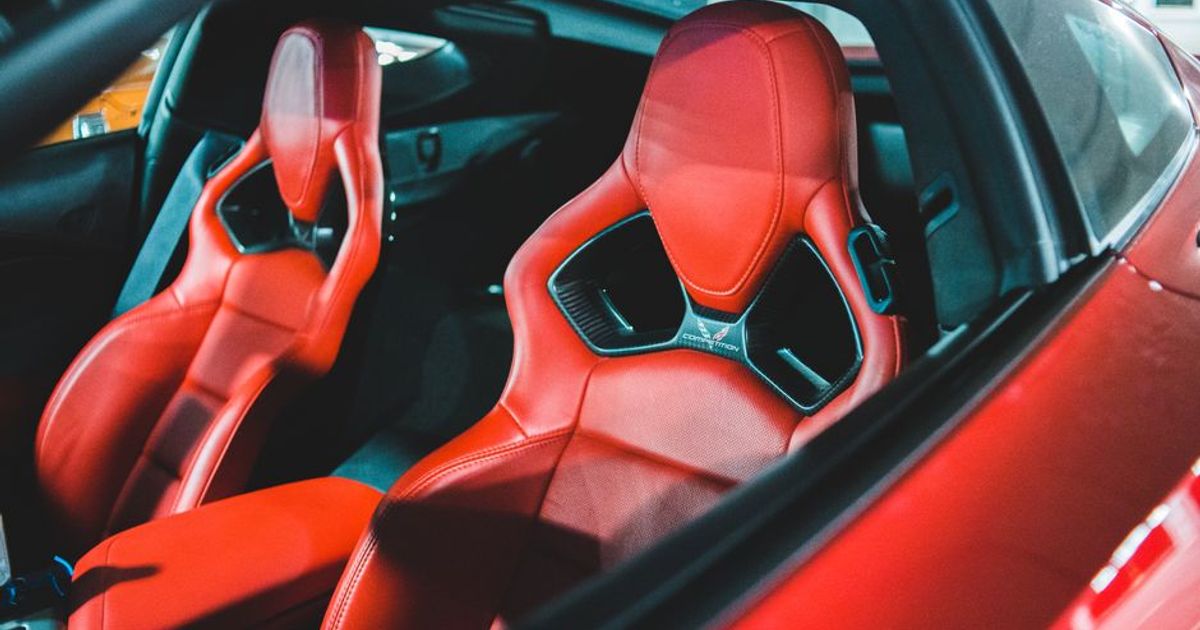
To clean leather car seats safely: vacuum first, apply a dedicated pH-balanced leather cleaner to a soft brush or microfiber towel (never directly to the seat), work it in gently, wipe the residue away, and finish with a leather conditioner to restore the protective moisture the cleaning removed. That is the entire method. The reason so many leather seats end up cracked and shiny anyway is product choice and overcleaning, not effort.
We clean and condition leather every week at our shop in Wexford, so here is how to clean leather car seats the way we do it, plus the shortcuts that quietly ruin leather.
Know what you are actually cleaning
Almost all modern car leather is coated: the hide has a thin polyurethane finish over it, and that coating is the surface you clean. This matters for two reasons. First, it means mild cleaners work well, because dirt sits on the coating rather than soaking into the hide. Second, it means harsh chemicals and aggressive scrubbing attack the coating itself, and once that finish wears through, the leather beneath stains and cracks quickly and no product reverses it.
Perforated leather (the kind with pinholes, common with ventilated seats) adds one rule: keep liquids minimal, because cleaner that drips through the holes soaks the foam and can breed odor.
What to use, and what to keep away from leather
Use: a dedicated leather cleaner or an interior cleaner explicitly labeled leather-safe, a soft-bristle brush, and plain microfiber towels. Conditioner afterward.
Keep away, permanently:
- All-purpose degreasers and kitchen cleaners. They strip the finish.
- Alcohol, acetone, and most disinfecting wipes. Excellent at slowly dissolving the coating.
- Anything with silicone that promises instant shine. That greasy gloss attracts dust and makes the next cleaning harder.
- Magic erasers. Melamine foam is fine abrasive sandpaper. It “works” by removing finish along with dirt, which is why the spot looks different afterward.
How to clean leather car seats, step by step
- Vacuum the seats and crevices so you are not grinding grit into the finish while you scrub.
- Spray cleaner onto the brush or towel, not the seat, to control the amount and keep it out of perforations and stitching.
- Work one section at a time in gentle circles. Seat bottoms and the driver’s bolster carry the most grime; give them a second pass rather than more pressure.
- Wipe residue off with a clean damp microfiber, then dry with another towel. Leftover cleaner keeps working after you stop, which you do not want.
- Condition. A thin, even coat of leather conditioner, allowed to absorb for several minutes, then buffed off. Conditioner replaces the oils cleaning removes and carries UV protection that slows fading and cracking.
For maintenance, a quick wipe with a barely damp microfiber weekly and a full clean-and-condition two to four times a year is plenty for most cars. Overconditioning is real: monthly applications just build sticky residue.
Fixing the common problems
- Jean dye transfer on light leather: dedicated leather cleaner and patience, early. Set transfer dye often needs professional attention, and aggressive DIY rubbing damages the finish before it removes the dye.
- The shiny, slick driver’s seat: that is usually built-up grime and old product, not worn leather. A proper deep clean often restores the original matte finish.
- Cracking: cleaning cannot fix cracks; conditioning only slows their spread. This is the argument for starting care before the leather looks bad.
- Grime in stitching and seams: soft brush, low pressure, several passes. This is where steam, used carefully at a distance, outperforms any towel, and it is a standard part of our interior work.
When to hand it to a professional
If the leather is heavily soiled, dye-stained, showing grime deep in perforations, or you simply have not touched it in years, professional equipment gets results that hand cleaning cannot, safely. Leather clean and condition is a $45 add-on with us, and it is included in the full Interior Detail ($185 for a sedan) along with carpets, upholstery, and glass; the whole interior menu lives on our interior detailing page. If the seats have absorbed smells along with the dirt, that is a related but separate fix we covered in how to get smoke smell out of a car.
The two-minute takeaway
Leather car seats are durable when their finish is intact and doomed when it is not, so every rule above serves one goal: clean gently, condition after, and never use products that trade today’s shine for the coating itself. Do that twice a season and your seats will outlast the loan.
If yours are past the point where gentle works, book an interior detail and let us reset them properly; from there, the maintenance routine above keeps them easy.