Detailing Tips
Pennsylvania Window Tint Laws: How Dark Is Legal?
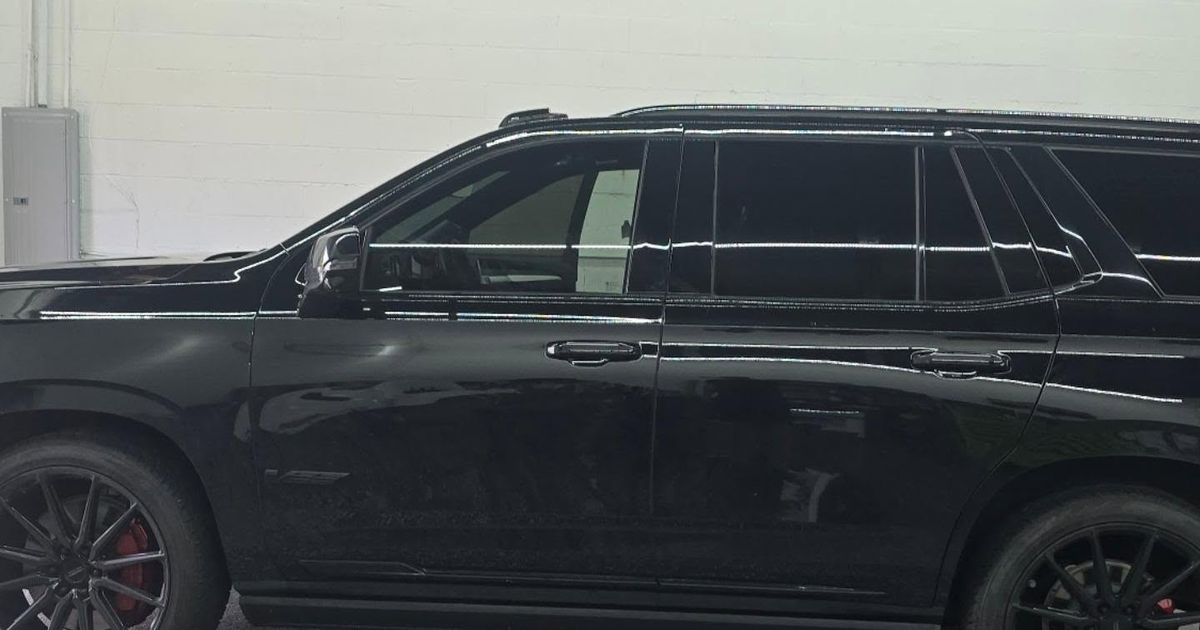
In Pennsylvania, the windshield and front side windows of every car, SUV, truck, and van must let in at least 70% of visible light, and passenger cars built in 1998 or later must meet that same 70% on every window. SUVs, trucks, vans, and other multipurpose passenger vehicles have no light transmittance requirement on the rear side windows or rear window, so that is where darker film is allowed.
That is the short version of how much window tinting is legal in PA. Below we lay out what the law actually says, with links to the official text, so you know what you are asking for before you book window tinting in Wexford. This is a plain reading of the rules, not legal advice. If you have a specific question about your vehicle, PennDOT is the authority.
Where Pennsylvania’s tint rules come from
Two pieces of Pennsylvania law cover window tint.
The first is the Vehicle Code, Title 75 Section 4524, “Windshield obstructions and wipers.” Subsection (e) says no one may drive a vehicle with a sun screening device or other material that does not permit a person to see or view the inside of the vehicle through the windshield, side wing, or side window. It then lists exceptions, including factory tinted glass, hearses, ambulances, government vehicles, and vehicles with a valid certificate of exemption, including one issued for medical reasons.
The second is PennDOT’s vehicle equipment and inspection regulations in 67 Pa. Code Chapter 175, Subchapter O, “Vehicle Sun Screening Devices.” This is where the actual numbers live, in a chart called Table X, along with the rules on mirrors and exemptions. You will sometimes see Chapter 14 cited online, but the tint percentages themselves are in Chapter 175.
The 70% rule in Table X
Table X lists the minimum light transmittance for each window, meaning the percentage of visible light that must pass through the glass and film together. The regulation allows a 3% measurement tolerance either way. Here is what it says:
| Vehicle type | Windshield | Front side windows | Rear side windows | Rear window |
|---|---|---|---|---|
| Passenger cars, 1998 and newer | 70% | 70% | 70% | 70% |
| Passenger cars, before 1998 | 70% | 70% | 70% | VESC-20 labeled material |
| Trucks and multipurpose passenger vehicles | 70% | 70% | No requirement | No requirement |
| Medium and heavy trucks and buses | 70% | 70% | No requirement | No requirement |
| All other vehicles | 70% | 70% | No requirement | No requirement |
Two details trip people up.
First, the 70% applies to the whole window, not just the film. Factory glass already blocks some light, so a film rated at 70% on its own can bring the finished window below 70% once it is on the glass. A shop can meter the glass before and after.
Second, the percentage is light let in, not light blocked. A “5% tint” lets in only 5% of light, which is about as dark as film comes. A “70% film” is very light.
Passenger cars vs SUVs, trucks and vans
This is the biggest difference in Pennsylvania tint law.
Sedans, coupes, hatchbacks, and wagons are passenger cars. If yours is a 1998 or newer model, every window, including the back glass, needs at least 70% light transmittance. In practice that leaves room only for very light films, such as clear or nearly clear ceramic films that cut heat and UV without darkening much.
SUVs, pickups, and vans are generally classed as trucks or multipurpose passenger vehicles. The windshield and front side windows still need 70%, but Table X sets no minimum for the rear side windows or the rear window. That is why so many SUVs come from the factory with dark privacy glass behind the front doors, and why darker film behind the driver is common on these vehicles.
If you are not sure how your vehicle is classed, the classification on your registration is the place to check.
Windshield and mirror rules
The windshield follows the same 70% standard as the front side windows. Section 175.263 allows a transparent strip along the top edge of the windshield as long as it stays above the AS-1 line marked on the glass and within 3 inches of the top. Below that, nothing may block the view into the vehicle.
Section 175.264 adds a mirror rule. Any vehicle using a sun screening device or other material must have both left and right outside rearview mirrors, each with at least 19.5 square inches of reflective surface, unless the only film is the strip above the AS-1 line. Nearly every modern vehicle already has both mirrors, but it matters on older or specialty vehicles.
Section 175.263 also limits louvered materials, the slatted covers sometimes seen on rear windows, so they do not reduce driver visibility below 50%.
Medical exemptions
Pennsylvania does allow exemptions for people with certain medical conditions. Under 67 Pa. Code Section 175.265, PennDOT will issue a certificate of exemption for a vehicle owned by a person with a condition that the Department, consulting its Medical Advisory Board, has determined justifies the use of otherwise prohibited sun screening. It also covers a vehicle owned by someone who lives with that person, if the person normally drives or rides in it.
One detail many people miss: the regulation says this exemption is granted only for colorless sun screening material. In other words, it is aimed at clear UV and light filtering film, not dark tint. The application goes through PennDOT, so start there if you think you qualify. Shops do not decide exemptions.
How we handle tint at our Wexford shop
We install ceramic window film at our shop on US 19, starting at $199, with a lifetime warranty. Ceramic film is a good fit for Pennsylvania rules because a light shade still blocks a lot of heat and UV, which matters when the front windows have to stay at 70%.
It helps to know what Table X says for your vehicle type before you choose a shade. If you want a lighter, nearly clear film on the front and something darker in the back of an SUV, that is a common setup.
If you are budgeting for film, our breakdown of what window tinting costs explains what moves the price. Clean glass also makes any tint look better. Our guide to cleaning car windows without streaks covers how to care for tinted glass, and our winter car care tips explain how to keep windows clear through the Pittsburgh cold.
Book window tint in the North Hills
If you live in Wexford, Pine, Marshall, McCandless, Cranberry Township, Gibsonia, or anywhere in the North Hills, we can help you choose film that fits your vehicle and the rules above. All work happens at our shop at 13065 US-19, Monday to Friday, 9am to 5pm. Book your window tint online or call (412) 754-5772 with questions.
Frequently asked questions
How much window tinting is legal in Pennsylvania?
Under 67 Pa. Code Table X, the windshield and front side windows of every vehicle type must let in at least 70% of light. Passenger cars built in 1998 or later need 70% on the rear side windows and rear window too. Trucks and multipurpose passenger vehicles, which include most SUVs and vans, have no light transmittance requirement on the rear side windows and rear window.
How dark can you tint your windows in PA?
On a sedan or coupe, every window must let in at least 70% of light, which rules out most dark films. On an SUV, truck, or van, the windows behind the driver have no minimum under Table X, but the windshield and front side windows still need 70%.
Is 5% tint legal in Pennsylvania?
Not on the windshield or front side windows of any vehicle, and not on any window of a 1998 or newer passenger car. Under Table X, it can be used on the rear side and rear windows of trucks and multipurpose passenger vehicles. Any vehicle with a treated rear window also needs left and right outside mirrors.
Can you get a medical exemption for window tint in PA?
Yes. PennDOT can issue a certificate of exemption, in consultation with its Medical Advisory Board, for a person with a qualifying condition or a vehicle owner who lives with that person. Under 67 Pa. Code 175.265, the exemption is granted only for colorless sun screening material.