Vehicle Care Seasons
Winter Car Care in Pittsburgh: The Complete Guide
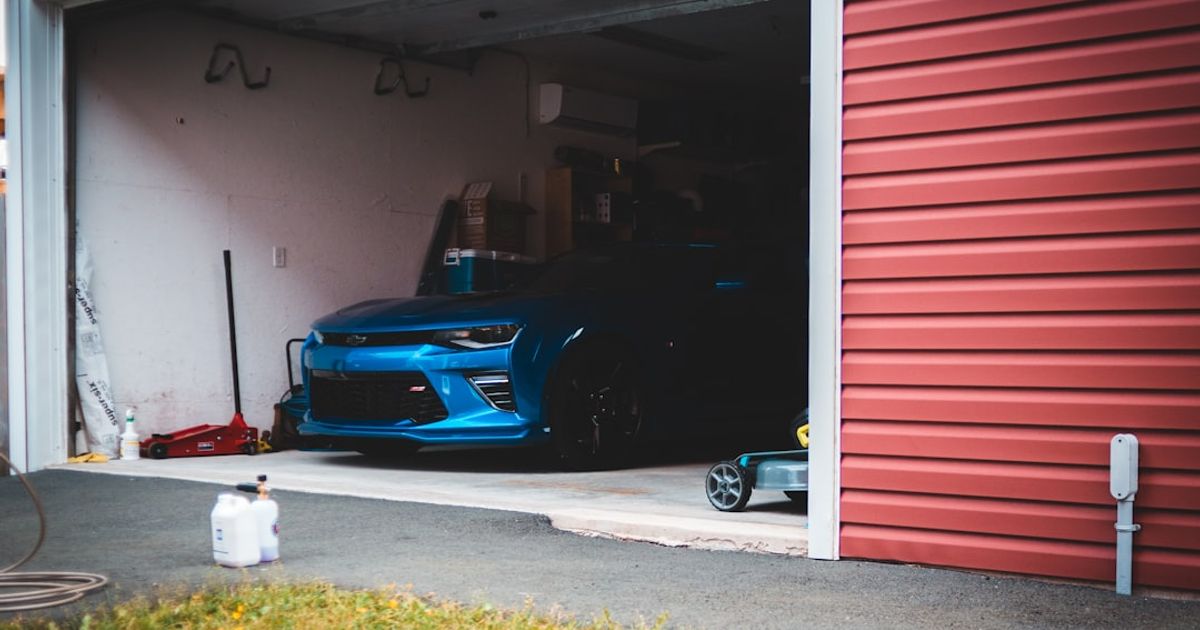
Winter car care in Pittsburgh comes down to four jobs: protect the paint before the first salt truck rolls, defend the undercarriage where rust actually starts, armor the interior against slush and salt stains, and keep washing all season instead of hibernating until April. Do those four things and your car comes out of March looking and functioning like it did in November. Skip them and Western Pennsylvania’s salt, brine, and freeze-thaw cycles will quietly take years off the vehicle.
This is the complete playbook we give customers every fall, organized so you can work through it in a weekend or hand the whole list to us.
Why winter here is harder on cars than almost anywhere
Pittsburgh winters are not the coldest in the country, but they may be among the hardest on vehicles. The reason is the freeze-thaw cycle: we hover around the freezing line all season, which means PennDOT and municipal crews treat roads constantly, with both rock salt and liquid brine that is engineered to cling to surfaces. Route 19 and I-79 get blanketed before storms even arrive. Then every thaw reactivates the salt sitting on your car, and every refreeze works moisture deeper into seams and chips.
That cycle, repeated forty or fifty times a winter, is why the same model rusts out here years before it does in a dry state. Good winter car care tips all trace back to interrupting it.
Job 1: Protect the paint before the salt flies
Salt film holds moisture against your clear coat and accelerates oxidation, and protected paint sheds it dramatically better than bare paint. Before the first storm:
- Decontaminate first. A clay bar and iron removal strips the bonded summer grime a regular wash cannot touch. Protection bonds better to clean paint.
- Apply real protection. A machine applied sealant is the seasonal workhorse. A ceramic coating is the multi-year answer, and winter abuse is precisely what it is built for.
- Treat the glass. A glass ceramic and rain repellent treatment keeps slush spray beading off the windshield. In a grey January downpour on 79, that is a safety upgrade, not a cosmetic one.
We covered the paint and salt problem in depth in our Pittsburgh winter prep guide if you want the full chemistry.
Job 2: Defend the undercarriage
This is the highest-stakes item on the list, because rust starts underneath, out of sight, and by the time it shows on a rocker panel it has been working for a couple of winters. Rustproofing and undercoating puts a protective barrier on the frame, wheel wells, brake lines, and underbody seams before the brine arrives. It is specialist work we do not do in-house; a dedicated underbody shop is the right call.
Two rules make it work. First, timing: October and November are the window, before roads are treated. Second, condition: the coating must go on a clean, dry undercarriage, because sealing over existing wet grime traps the problem instead of blocking it. A good shop will inspect and quote each vehicle individually, since a three year old crossover and a twelve year old pickup need very different treatment.
If you do only one thing from this guide and you plan to keep your vehicle more than a few years, make it this one.
Job 3: Winterize the interior
The interior takes its own beating: snowy boots grind salt and grit into carpet, and dried salt leaves white stains that set deeper with every wet-dry cycle.
- Switch to rubber all-weather mats if you have them. They are the single cheapest piece of winter car care there is. Keep the carpet mats stored until spring.
- Deal with salt stains early. Fresh salt residue extracts easily; March salt stains that have cycled wet and dry all winter sometimes never fully release.
- Consider fabric protection. A fabric guard treatment before winter makes slush blot up instead of soaking in.
- Fight the fog. Interior glass filmed with off-gassed plastics and hand oils fogs faster. Clean interior glass defogs in half the time.
If the interior went into winter already dirty, a proper Interior Detail in late fall means you are protecting a clean baseline instead of sealing in grime.
Job 4: Keep washing all winter
The biggest winter car care mistake is treating washing as a three-season activity. Salt does its damage over time, so the goal is to never let it sit for weeks.
- Wash after every storm-and-thaw cycle, or at minimum every two to three weeks.
- Prioritize the underbody. At a self-serve bay, spend half your time shooting the undercarriage and wheel wells.
- Pick your day. Wash when temperatures will stay above freezing for a few hours so door seals and locks can dry, and wipe down door jambs and seals afterward.
- Skip the brush tunnels. Winter grit in automatic brushes is exactly how paint gets wrecked while you are trying to save it.
The fall checklist, in order
- Decontaminate and protect the paint (October).
- Book rustproofing and undercoating with an underbody specialist (October or November, clean and dry).
- Treat the windshield and clean the interior glass.
- Swap in all-weather mats and consider fabric protection.
- Wash on a schedule all season, underbody included.
- Book a full spring detail to strip whatever winter left behind.
None of this is complicated. It is mostly a matter of doing it before the first storm instead of after the third one.
Want us to handle the whole list?
We build winter prep around whatever your car actually needs, from a single sealant appointment to the full menu of services in one fall visit. Our shop is on Route 19 in Wexford, open Monday through Friday 9 to 5, and fall slots go fast once the first frost hits. Book online and go into the season ahead of the salt trucks for once.