Detailing Tips
How to Clean Your Engine Bay Safely
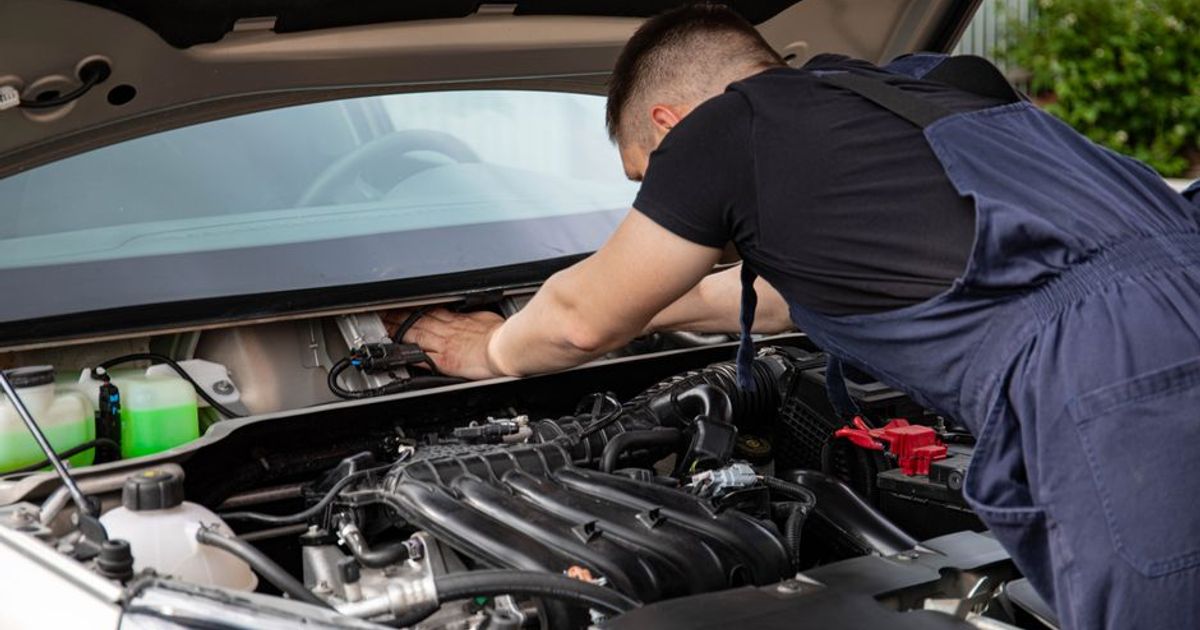
To clean an engine bay safely: work on a cool engine, cover the battery, exposed electrical connectors, and air intake, apply degreaser to plastics and painted metal, agitate with soft brushes, then rinse with low pressure water and dry thoroughly. The keys are low water pressure and covering the sensitive bits. Modern engine bays tolerate careful water far better than people fear, and a pressure washer blasted point-blank into a connector is how the horror stories happen.
Here is the full process we use, adapted for a driveway.
Is it actually safe to wash an engine bay?
Mostly yes, with care. Modern engines are built to survive rain, puddle splash, and car washes, so components are reasonably sealed from the factory. The risk is not water itself; it is high pressure water forced into places rain never reaches: ignition coils, connector housings, the alternator, and the air intake. Keep pressure low, keep the stream moving, and stay away from those areas, and how to clean an engine bay stops being a scary question.
Skip the DIY entirely if your engine has visible exposed wiring repairs, an aftermarket intake that sits low and open, or oil leaks bad enough that degreasing would erase evidence your mechanic needs.
Step 1: Start cool and disconnect nothing
Work with the engine cold or barely warm to the touch. Spraying cool water on hot exhaust manifolds can crack them, and degreaser flash-dries on hot metal into streaks. You do not need to disconnect the battery for a careful hand wash; just avoid soaking the terminals.
Step 2: Cover the vulnerable spots
Take two minutes with plastic bags or cling film and cover:
- The battery terminals
- The engine air intake opening (critical on cold air intakes)
- The alternator, if visible and low
- The fuse box, if its lid does not seal tightly
- Any exposed aftermarket electronics
This is the step that separates a safe engine bay cleaning from a tow truck story.
Step 3: Dry brush, then degrease
Vacuum or blow out loose leaves and debris first; a shocking amount of North Hills oak and maple ends up under cowls every fall. Then mist a citrus or water-based degreaser over plastic covers, painted surfaces, and grimy metal. Let it dwell a couple of minutes without drying. Agitate with a soft detailing brush, using an old toothbrush for tight spots around caps and reservoirs.
Avoid harsh solvent degreasers on rubber hoses and plastic; they clean fast but dry the material out over repeated use.
Step 4: Rinse low and slow
Rinse with a garden hose on a shower setting or a pressure washer held well back on its widest fan tip. Mist from above and let water sheet down, the same direction rain travels. Never jet water upward into the underside of components or directly at connectors. A gentle rinse removes the degreaser and grime film without hydro-locking anything.
Step 5: Dry it and start it
Towel dry what you can reach, then let the engine idle for five to ten minutes. Engine heat evaporates the rest. Once dry, a water-based trim dressing on the plastic covers gives that clean, factory-fresh look without the greasy shine of silicone products.
When to let a shop do it
If the bay has years of caked grease, an oil-misted underside, or you simply do not want the risk, this is a cheap job to delegate. Engine bay cleaning is a $70 add-on at our shop, done with steam and controlled rinsing rather than raw hose pressure, and a lighter engine wipe down is already included in our Signature Full Detail. We wrote more about what the service involves on the engine bay detailing page.
A clean engine bay is not vanity, or not only vanity. It makes fluid leaks visible early, keeps rodent nesting material from accumulating, and noticeably helps resale: a spotless bay tells a buyer the car was cared for everywhere, including the places nobody sees. It pairs naturally with the rest of the vehicle too; if you are already booking a full detail, the engine bay is the logical finishing touch.
Rather have us handle it?
If you would rather point at the grime and let someone else worry about the connectors, we do this every week. Book online, add engine bay cleaning to any package, and pick the car up with everything under the hood looking the way it did on the dealer lot.